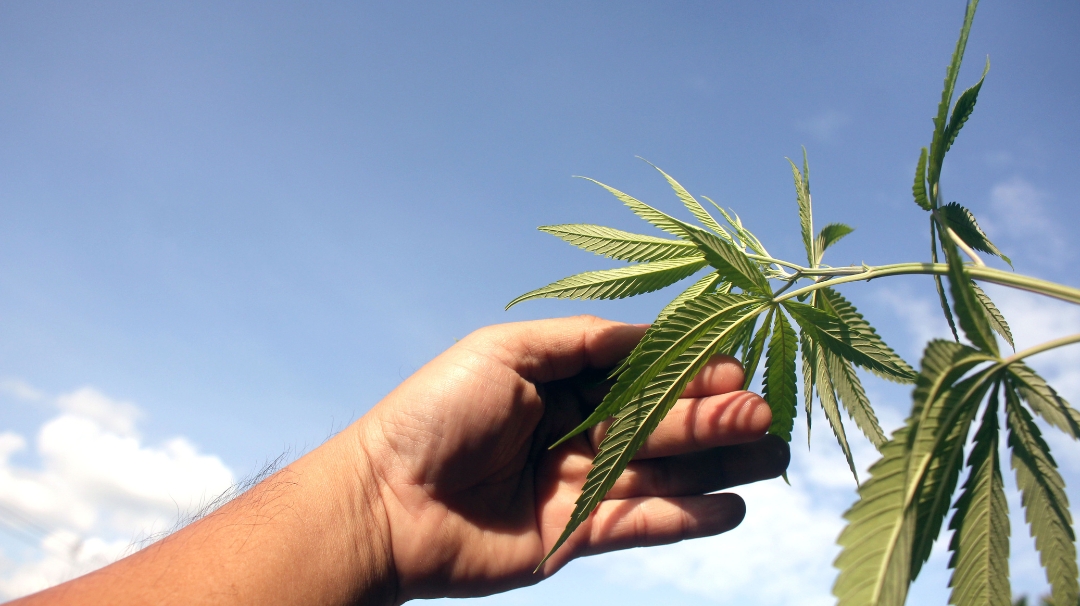
Since legalization, cannabis has become more accessible and widely used across Canada. However, legal does not mean risk-free. For many, it is seen as a normal part of social life or a way to unwind. At the same time, increased access has been accompanied by growing questions about its impact on mental health, particularly among young adults.
More Canadians are using cannabis regularly, and many report using it to manage mental health and emotional challenges. This shift reflects a broader pattern where substance use is sometimes used in place of formal mental health support, particularly when access to care has increasingly become more limited, overwhelming, or difficult to navigate.

Why Some Use Cannabis for Mental Health Relief
Many Canadians report that they use cannabis to find relief from stress, anxiety and depression, and to improve sleep, coping, regulate mood, and support appetite. For some, this may look like using cannabis to unwind after a stressful day, to fall asleep more easily, or to take the edge off in social situations.
In lower doses, some individuals report feeling calmer or more relaxed. However, its effects on mental health are not always straightforward, and short-term relief does not always translate into positive outcomes over time.
Why Potency Matters
Not all cannabis products affect the body in the same way. Two of the most well-known components are THC and CBD. THC is the psychoactive compound that produces the “high,” while CBD is associated with calming effects without intoxication. The balance between these compounds matters, particularly for individuals who are already experiencing mental health challenges.
Research suggests that lower THC levels may be associated with fewer negative mental health effects. In contrast, higher THC concentrations can increase the risk of anxiety, panic, and other adverse reactions. Today’s cannabis products often contain significantly higher THC levels than in the past, especially in concentrates and vape products. This increase in potency can amplify both the desired effects and the potential risks.
Youth Face Unique Risks
Young adulthood is a period of ongoing brain development, particularly in areas related to decision-making, impulse control, and emotional regulation. Cannabis use at this age may have a greater impact than later in life — especially with regular use. Cannabis can affect memory, motivation, and concentration, which may make mental health challenges harder to manage.
Academic pressure, financial stress, identity development, and major life transitions can all increase stress. As a result, some young adults may turn to self-medication. Health guidance directed toward younger populations highlights how early, frequent use may increase vulnerability to negative mental health outcomes.
Cannabis Use Disorder
Cannabis use disorder often develops gradually, making it harder to recognize when casual use has shifted into something more difficult to control. Characterized by patterns including cravings, urgency, difficulty cutting down, increased tolerance, withdrawal symptoms, and continued use despite negative impacts on daily life.
What begins as occasional use can change in frequency, particularly when cannabis is used as a coping strategy. When use increases, symptoms such as anxiety, trouble regulating emotions, or diminished motivation may become more difficult to manage. Daily use can reinforce habits that make it harder to rely on other forms of support.
Cannabis and Serious Mental Illness
Research suggests that cannabis use can have significant effects on mental health, and regular use is linked to heightened anxiety, panic, and paranoia. These reactions can vary from person to person, but may be more likely with higher potency products, larger doses, or regular use. In some cases, these effects can feel temporary, while in others, they may contribute to ongoing increases in anxiety or stress, particularly in individuals who already have underlying mental health challenges.
Cannabis can affect depression in different ways, depending on frequency, potency, and individual factors. Some evidence suggests that ongoing use may be associated with changes in mood and emotional state, particularly when used frequently or as a coping strategy. In some cases, people may notice temporary shifts in mood that feel helpful in the short term, but these effects may not be consistent.
There is also a well-documented connection between cannabis use and psychosis in vulnerable individuals. Risk is higher for those with a family history of psychosis, younger users, and those using high-potency products. Emerging evidence points to an even stronger link between cannabis use and psychotic disorders.
Practical Harm Reduction
For those who choose to use cannabis, harm reduction focuses on lowering risk rather than avoiding the behaviour. Small lifestyle changes can make a meaningful difference over time. This might include choosing lower THC products, setting limits around how often and how much you use, and being mindful of how cannabis affects mood and functioning over time. Taking regular breaks to assess how cannabis is affecting your daily life can significantly lower risk. Practical guidance on how to lower your risk when using cannabis emphasizes making safer decisions and understanding individual limits and warning signs.
Paying attention to changes in sleep, motivation, or anxiety can also help you recognize when use may be having unintended effects. It is also important to avoid mixing cannabis with alcohol or other substances, and to be cautious if there is a personal or family history of mental health challenges. Resources that focus on knowing your limits with cannabis emphasize the importance of awareness and recognizing when use may be having a negative impact.

Eli’s Place Communications Team
Eli’s Place blogs are developed & written by the Eli’s Place Editorial Team — a collaboration between staff and volunteers committed to raising awareness about serious mental illness in Canada. We aim to inform, inspire, and engage with readers.
- Eli’s Place Communications Team

- Eli’s Place Communications Team

- Eli’s Place Communications Team

- Eli’s Place Communications Team