Feeling connected to a supportive community is fundamental to mental health and recovery. A sense of belonging provides emotional stability, a stronger sense of identity, and a source of purpose that can help people navigate stress and life challenges. Despite our increased digital connectivity, nearly half the population still feels lonely. This shows that meaningful human interaction cannot be replaced by online connections. Engaging in communities and forming authentic bonds can significantly support emotional well-being and resilience.

How Does Community Affect Mental Health
Community is more than just a group of people; it includes social networks, shared spaces, and access to services. Feeling part of a community can provide validation, support, and practical assistance, all of which strengthen mental health. Individuals with stronger community connections often experience better overall health outcomes and life satisfaction. Collective activities and maintaining meaningful relationships help build coping skills and a sense of security that protects against stress and isolation.
Loneliness is Dangerous
Lacking meaningful social connections can take a serious toll on both mental and physical health. Chronic loneliness increases risk for depression, anxiety, and other stress-related health problems. Even short periods of social isolation can trigger physiological stress responses, affecting mood, sleep, and cognitive functioning. Cultivating connections through friendships, support groups, or community involvement helps reduce these risks and highlights the importance of social engagement for overall well-being.
What is “Belongingness”?
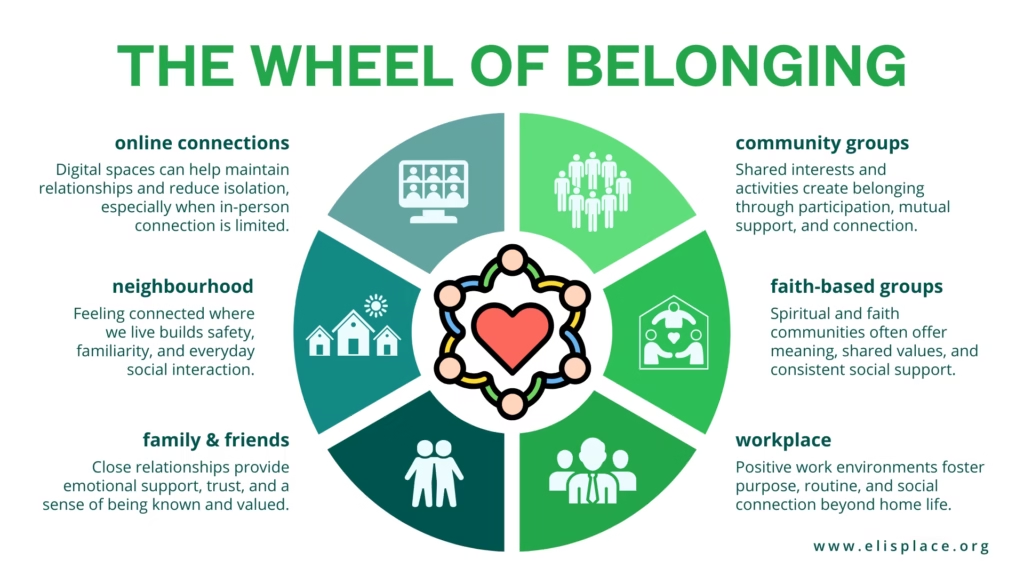
Belongingness refers to the psychological experience of feeling accepted, valued, and included. It goes beyond simply being present in a group to feeling understood and integrated. This sense of inclusion touches multiple layers of life, including identity, place, and purpose, and has tangible effects on mental and physical health. Strong social ties help reduce stress, support resilience, and improve overall wellness. Nurturing a sense of belonging across different aspects of life strengthens well-being, and national data shows it is a key indicator of general mental health.
Are We “Hard Wired for Community”?
Humans are naturally oriented toward connection. Social support provides problem-solving resources, strengthens identity, and buffers stress through both emotional and physiological mechanisms, such as oxytocin release and lower cortisol levels. Empathy plays a central role in these connections by allowing individuals to understand and share others’ emotions. This natural tendency to connect and support one another highlights the importance of fostering relationships that improve resilience and mental health.
Facing Isolation: Canadians at Higher Risk
Some groups face greater barriers to feeling connected. Introverted individuals may find it harder to engage socially, and stigma around mental illness can make accessing support challenging. Youth benefit from school-based belonging, which influences both learning and mental health outcomes. Older adults are at higher risk of isolation, but social prescribing and structured community programs can help restore connection. Marginalized groups often experience structural barriers, including unstable housing, discrimination, and limited access to services.
A person’s ability to meet basic needs, cultivate friendships, and maintain a stable social position strongly impacts their vulnerability to mental health challenges. Programs promoting inclusive social engagement can help mitigate these effects. For youth, fostering a sense of belonging in schools supports both academic and mental health outcomes beyond the classroom. For older adults, social prescribing and purposeful engagement can reduce isolation, while community initiatives that promote connection and meaning strengthen resilience. Social prescribing involves nurse practitioners and family doctors supporting non-clinical needs by connecting people to communities and services for emotional and practical support. Addressing social inequities and fostering equitable inclusion are key for supporting mental wellness in marginalized populations.
How to Foster Belonging and Build Community
Belonging grows through consistent, intentional efforts. Reaching out regularly, attending low-barrier events, and creating safe spaces for sharing experiences can strengthen social ties. Tools such as connection calendars, social prescribing, and structured community programs provide practical ways to engage and nurture inclusion. Prioritizing these practices helps prevent loneliness, supports mental health, and cultivates resilience.
Creating spaces where people feel valued and supported is essential for fostering community. At Eli’s Place, we aspire to offer an environment where individuals can experience connection and belonging, helping them develop stronger social ties and emotional support networks. You can help us open our doors and contribute to a community that nurtures mental health, reduces isolation, and strengthens the sense of belonging for all who participate.

Eli’s Place Communications Team
Our Eli’s Place blogs are developed & written by the Eli’s Place Editorial Team — a collaboration between staff and volunteers committed to raising awareness about serious mental illness in Canada. We aim to inform, inspire, and engage with readers who care about mental health and recovery.
- Eli’s Place Communications Team

- Eli’s Place Communications Team

- Eli’s Place Communications Team

- Eli’s Place Communications Team