
Human beings are wired for connection. Feeling accepted, valued, and emotionally safe is not simply a social preference. It is a psychological need that shapes how people cope with stress, develop identity, and move through difficult experiences. Research exploring why people need each other points to connection as an important foundation for emotional stability and well-being.
When connection is missing, the effects can reach far beyond loneliness. Researchers and health organizations increasingly recognize social isolation and disconnection as serious public health concerns because of the way they affect mental and physical health over time. Strong relationships help people feel grounded and supported, while chronic disconnection can weaken resilience and increase vulnerability during periods of stress or illness.
This also connects to how mental well-being is understood more broadly. Canada’s Quality of Life Framework describes flourishing as a state of emotional, psychological, and social well-being. In other words, mental health is not only about reducing symptoms. It is also about whether people feel connected to themselves, others, and the world around them. These dimensions reflect the understanding that both internal experience and external conditions, including relationships, community participation, and access to supportive environments, shape mental health.

The Psychological Impact of Disconnection
Disconnection affects more than mood. Over time, chronic loneliness can shape how people think, regulate emotions, and respond to stress. Researchers have linked chronic loneliness to increased anxiety, depression, emotional dysregulation, and low self-worth. In more severe cases, prolonged isolation may also increase vulnerability to self-harm and suicidal thinking.
These effects are not only emotional. Research into the psychological and behavioural impacts of loneliness suggests that chronic disconnection can influence stress responses, sleep, cognition, and overall psychological functioning. When people feel persistently disconnected, the nervous system can begin to operate in a heightened state of stress or emotional withdrawal, making recovery more difficult.
Serious Mental Illness Can Disrupt Connection
Serious mental illness often creates barriers to connection long before someone receives treatment. Conditions such as bipolar disorder, schizophrenia, severe depression, and other complex mental health challenges can interrupt friendships, relationships, education, employment, confidence, and participation in everyday life. Mental illness does not only affect mood or thinking. It can also change how safe, capable, confident, or connected a person feels within their community.
Emotional withdrawal, changes in behaviour, difficulty communicating, and periods of instability can strain family dynamics and social connections. At the same time, many people living with mental illness also face stigma, discrimination, and shame, all of which can deepen isolation. Experiences of stigma related to mental illness can affect not only relationships but also access to housing, work, and support systems.
Young adulthood is an important developmental period for building a sense of belonging and identity. It is often the stage where people create friendships, find independence and career direction, and join communities. Supportive environments and strong relationships are protective factors for mental health, especially for young adults. A strong sense of belonging within the community also supports overall health and well-being. When serious mental illness interrupts those developmental experiences, disconnection can become both a symptom and a consequence of illness.
Recovery Often Begins With Reconnection
Recovery is not only about reducing symptoms. It is also about rebuilding trust, identity, confidence, and participation in life. For many people, healing begins when they feel emotionally safe enough to reconnect with others and with themselves.
Community-based mental health programs can help create environments where people feel understood, supported, and less alone during recovery. At Eli’s Place, the therapeutic community model is built around the idea that connection itself can be part of healing. Shared lived experience, meaningful daily routines, peer support, and structured community life all help create stability and belonging during recovery.
To learn more about how Eli’s Place will ensure our community feels connected and flourishes, read our recent article on Therapeutic Milieu Treatment.
This approach reflects broader conversations about positive mental health and well-being. Canada’s Positive Mental Health Surveillance Indicator Framework recognizes social connection, community participation, and emotional support as important components of overall mental health, not secondary concerns.
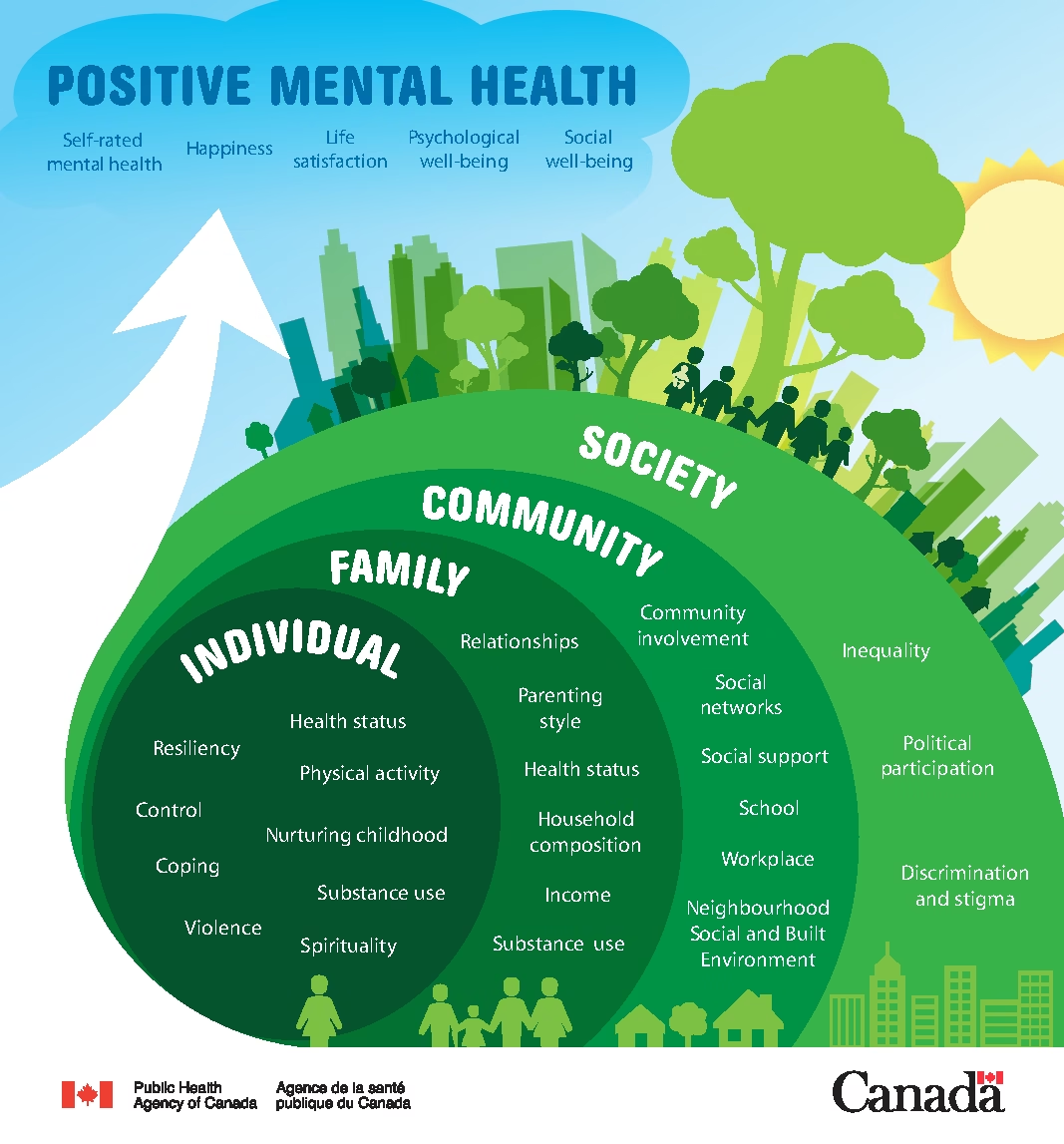
Source: Positive Mental Health Surveillance Indicator Framework. Canada.ca Health-Infobase.
Connection as a Protective Force
Disconnection can intensify distress, increase emotional vulnerability, and make recovery more difficult. Connection, on the other hand, is protective. Feeling valued, supported, and part of a community strengthens resilience and helps people move through challenges with greater stability.
Belonging matters because people heal in relationship with others. Conversations around community, connection, and belonging continue to reinforce the importance of social support in emotional well-being, while broader discussions about feeling like you belong recognize belonging as part of overall health.
Connection has measurable emotional and psychological benefits. Canadian data on positive mental health and social support shows that adults with strong social support report significantly higher psychological well-being than those with low support. Mental health care cannot focus only on crisis management or symptom reduction. Supporting recovery also means helping people reconnect to community, dignity, purpose, and belonging.

Eli’s Place Communications Team
Eli’s Place blogs are developed & written by the Eli’s Place Editorial Team — a collaboration between staff and volunteers committed to raising awareness about serious mental illness in Canada. We aim to inform, inspire, and engage with readers.
- Eli’s Place Communications Team

- Eli’s Place Communications Team

- Eli’s Place Communications Team

- Eli’s Place Communications Team