Across Ontario, more young people are experiencing mental health challenges while struggling to access timely, appropriate support.
Anxiety, depression, substance use concerns, and emotional distress are increasingly common. Yet many youth face long wait times, fragmented services, or barriers related to cost, transportation, or stigma. These challenges point to broader systemic gaps and reinforce the growing need for accessible, youth-friendly care, a reality reflected in ongoing conversations about youth mental health in Canada.
Stepped care models (in which the least resource-intensive support is offered first, and is then followed by the next level of care and so on) help connect youth to the right level of support earlier and reduce wait times. They also improve collaboration between teams and sectors, highlighting why services in the community can improve the delivery of care to children and youth. Established to address these challenges, Youth Wellness Hubs in Ontario provide a youth-centered model that coordinates essential services and makes care simpler and more accessible.

The YWHO Model: Integrated Youth Services
Youth Wellness Hubs Ontario follow the Integrated Youth Services model, which acknowledges that youth mental health challenges rarely exist in isolation. Young people may be navigating school stress, family conflict, housing instability, identity-related stress, or substance use at the same time. Rather than sending youth through different disconnected systems, the hubs use an Integrated Youth Services approach.
This model emphasizes collaboration, flexibility, and youth-friendly access. In practice, this means accessing multiple supports in one place, often without referrals or long waits. Services typically include mental health and substance use counselling, case management, peer support, and care navigation, alongside employment services, primary care, and sexual health supports – reflecting the hub model’s coordinated approach.
The Core Components of Youth Wellness Hubs
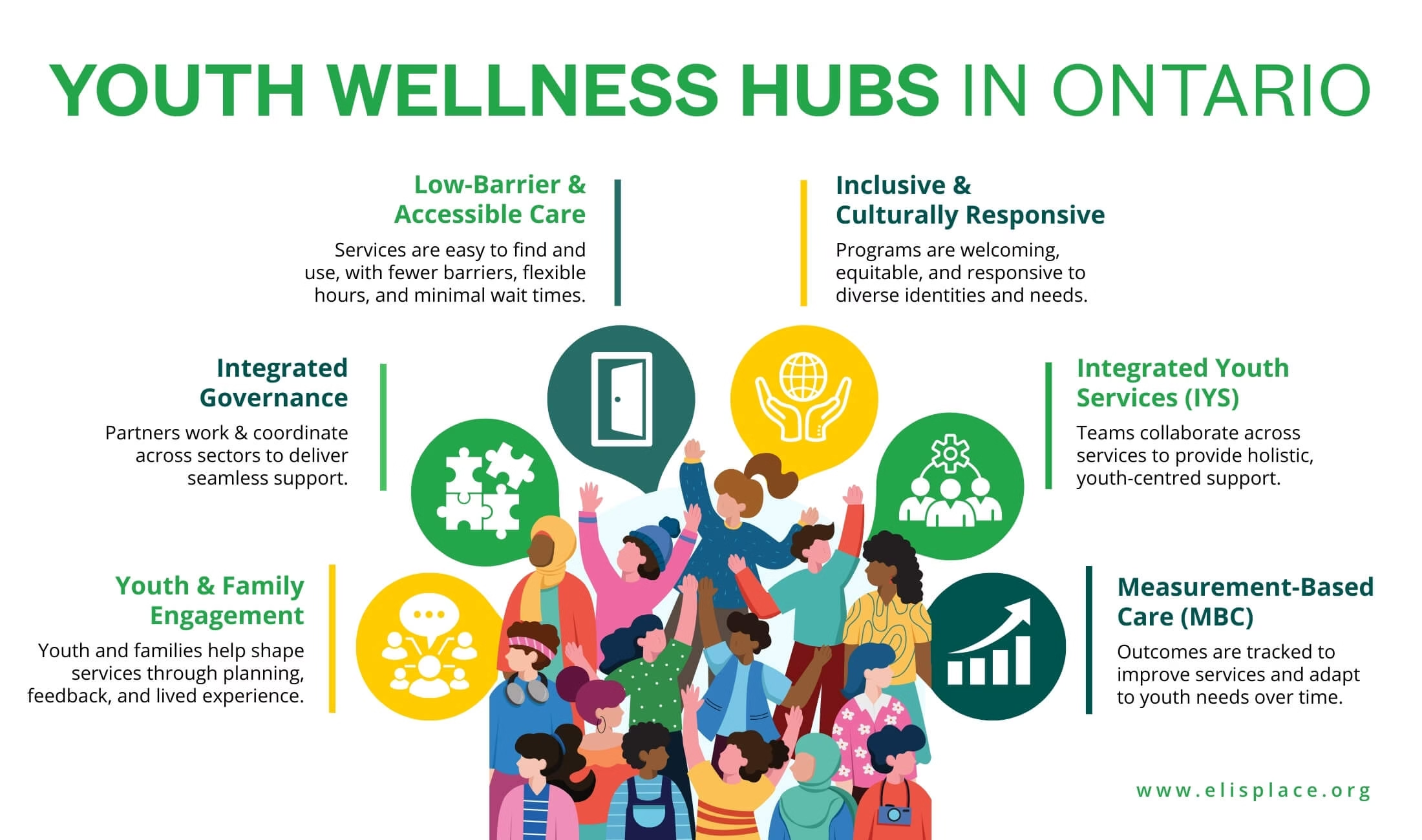
While each hub responds to local community needs, Youth Wellness Hubs Ontario follow a shared framework to ensure consistency and quality across the province. This framework includes youth and family engagement, integrated governance and partner collaboration, accessibility, inclusive and culturally diverse services, an integrated service delivery model, and measurement-based care. Together, these elements form YWHO’s six core components, helping ensure services feel coordinated rather than fragmented.
- Youth & Family Engagement
- Youth and families are active partners in planning, service design, and delivery. Advisory councils, surveys, and feedback structures ensure services reflect lived experience.
- Integrated Governance & Partner Collaboration
- The hubs coordinate services across organizations, sectors, and disciplines. Collaboration ensures that youth don’t navigate fragmented systems and that services complement each other.
- Accessibility
- Services are easy to access physically, financially, and socially. Youth can often get support without referrals or long wait times; locations and hours accommodate diverse needs.
- Inclusive & Culturally Responsive Services
- Services address diverse needs related to race, ethnicity, language, gender identity, sexuality, and ability. The programs promote cultural safety, equity, and a welcoming environment for all youth.
- Integrated Youth Service Delivery (IYS) Model
- The IYS component ensures teams work together to coordinate services across sectors and tailor support to youth needs, reflecting the hub model’s holistic approach.
- Measurement-Based Care (MBC)
- Measurement-based care plays an important role by supporting continuous learning and improvement. Tracking outcomes allows teams to adapt services over time, strengthening care quality while keeping youth needs at the centre.
A Health Equity Approach
YWHO’s commitment to health equity is central to the Hub model. It recognizes that youth experience care differently based on factors like race, income, geography, identity, and past system experiences. The hubs ensure services are inclusive, culturally responsive, and informed by diverse voices. This approach goes beyond access. It helps young people feel respected, understood, and safe while receiving support.
Youth and Family Engagement
The importance of youth and family engagement can’t be emphasized enough. Youth Wellness Hubs are intentionally designed with youth and families, not just for them.
Engagement is embedded throughout planning and service delivery. Advisory councils and feedback structures elevate lived experience, including making space for Indigenous youth, 2SLGBTQIA+ youth, racialized youth, and other historically underrepresented communities. The model reflects the importance of youth and family engagement in shaping services that feel relevant and trustworthy.
When youth and families are treated as partners in care, services are more responsive and more likely to meet real needs in meaningful ways.
Youth Wellness Hub Locations Across Ontario
Youth Wellness Hubs Ontario now includes more than 32 hub networks serving rural, urban, Indigenous, Francophone, and culturally diverse communities. This reach helps ensure access to care is not determined by location. Youth and families can explore available services by finding Youth Wellness Hub locations across Ontario.
A New Path Forward for Youth Mental Health
Youth Wellness Hubs represent a meaningful shift in Ontario’s youth mental health landscape. By integrating services, reducing barriers, prioritizing equity, and centering youth voice, the hubs offer a more accessible and responsive model of care.
Supporting Youth Wellness Hubs also means supporting earlier intervention, reducing stigma, and strengthening community-based care, so young people are not left to navigate mental health challenges alone.
It’s high time that new, evidence-based treatment models take center stage in Ontario. Just as Youth Wellness Hubs are shifting the delivery of community-based mental health care, Eli’s Place will open the possibility of longer-term rural residential care for young adults with serious mental illness.

Eli’s Place Communications Team
Our Eli’s Place blogs are developed & written by the Eli’s Place Editorial Team — a collaboration between staff and volunteers committed to raising awareness about serious mental illness in Canada. We aim to inform, inspire, and engage with readers who care about mental health and recovery.
- Eli’s Place Communications Team

- Eli’s Place Communications Team

- Eli’s Place Communications Team

- Eli’s Place Communications Team