Clinical treatment provides essential support, but an environment organized mainly around appointments and supervision leaves little room for personal independence. The Mental Health Commission of Canada’s Guidelines for Recovery-Oriented Practice emphasize the importance of dignity, personal choice, and meaningful involvement in care. These principles extend into the whole day, where independence and support go hand in hand.
Typically recovery is treated as something that ends when symptoms settle. Eli’s Place starts from a different belief: that a life worth living can be built and that it takes time, work, and people beside you. This understanding shapes the long-term, farm-based therapeutic community now preparing to open for young adults living with serious mental illness.
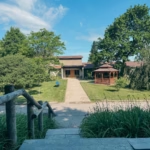
At Eli’s Place, located in Loyola House, north of Guelph, Ontario, Guests will receive professional care while living in an environment that encourages participation in everyday life. Having a place to belong, responsibilities to take on, and the ability to make personal choices are all part of building a life of their own.

Restoring Dignity Through Everyday Choices
Living with serious mental illness sometimes means having important decisions made by others, particularly during periods of crisis. Treatment plans and structured care become necessary, but when someone has little say in their surroundings for an extended period, it becomes harder for them to feel in control of their own life.
Autonomy begins with having choices that genuinely belong to you. Deciding how to approach a responsibility or taking ownership of a shared task gives someone an active role in their day. These experiences allow people to rebuild confidence in their judgement while learning to manage responsibilities at their own pace. Supporting people means more than including them in clinical decisions. It also includes functional independence in everyday life, with respect for people’s preferences and real opportunities to exercise control over daily activities.
Within a working farm community, where work includes horticulture and conservation, Guests have real opportunities to practise autonomy. They remain supported by professionals, but their day is not defined by receiving treatment entirely. They have the space to learn through experience and discover what they are capable of contributing. Dignity is reflected in these moments. Being trusted with responsibility and having a meaningful say in how the day unfolds helps Guests begin to see themselves as more than their diagnosis.
Care Without the Clinical Divide
Trust is an important part of mental health care. While clinical expertise provides essential guidance, relationships also develop through ordinary interactions where people feel understood as individuals. A therapeutic community narrows the distance between staff and Guests, so roles stay clear without becoming the only way people know one another.
In many treatment settings, the patient-clinician relationship takes place during scheduled appointments. A therapeutic community offers opportunities to build that connection throughout the day. Therapeutic milieu treatment is the approach that Eli’s Place uses to bring care into the wider living environment, where daily activities and relationships become part of the recovery experience.
Working alongside someone creates a different kind of interaction. A conversation while tending a garden often feels more natural than one held in a formal clinical setting. Staff gain a better understanding of how Guests approach day-to-day challenges, while Guests have opportunities to develop trust through shared experiences.
This approach is central to Gould Farm, the century-old Massachusetts therapeutic community on which Eli’s Place is modelled. There, Guests join work teams across the farm, side by side with staff. Shared participation encourages relationships built on mutual respect and gives everyone a meaningful role in the community.
Professional boundaries remain important, and clinical staff continue to provide appropriate treatment and guidance. The difference is that care is supported by relationships that extend beyond formal appointments. Someone who has spent considerable time being identified primarily through illness also has the opportunity to be known as a neighbour, a teammate, and a valued member of a community.
The Architecture of Belonging
Where someone lives during treatment shapes their experience of recovery. A space that feels like home offers a different experience from one organized primarily around clinical care. Familiar surroundings and the freedom to participate in daily life help create a sense of safety and routine, especially after periods of illness that have disrupted someone’s connection to the world around them.
A home-like environment also gives people room to be themselves. Having personal space allows for independence, while shared areas provide opportunities for relationships to develop naturally. Over time, belonging grows through participation. People begin recognizing familiar faces, finding their place within the community, and feeling that their presence makes a difference.
For people living with serious mental illness, a stable, supported living environment is integral to recovery. At Eli’s Place, where Guests will live in Loyola House as part of the program, home is part of the care. A secure place to live gives people a safe foundation for rebuilding independence and participating more fully in their communities.
What the Research Says
Research into therapeutic communities offers insight into the value of combining professional treatment with community living. Gould Farm, the model on which Eli’s Place is based, brings together clinical treatment, meaningful work, and shared community life.
A 15-year study of Gould Farm’s residential treatment program found significant improvements in clinical and personal recovery measures between admission and discharge. Preliminary follow-up findings also suggested that these improvements were maintained over time. The study followed Guests before and after treatment and looked at outcomes across the whole program, rather than the effects of individual activities or environmental features. Its findings are encouraging evidence for the role of comprehensive residential care in long-term recovery.
Ordinary by Design
Farm life gives Guests opportunities to take responsibility for work that contributes to the whole community. A welcoming living environment creates space for relationships to grow, while professional support remains available throughout the recovery process. And because a life is not built overnight, support follows each Guest home for a number of months as they settle into housing, education, and work.
These ordinary experiences also allow people to rediscover parts of themselves that illness has overshadowed. Someone who takes responsibility for a task begins to recognize their own capabilities. Sharing a meal becomes an opportunity to feel included, and having a voice in daily decisions reinforces the independence they are working to rebuild.
Recovery is more challenging in isolation. Each Guest will have at least one family member or committed supporter who takes an active part in treatment and in planning for life after residence, so the people closest to them are ready to support what they have built.
At Eli’s Place, clinical care, meaningful work, and belonging are designed to support each other over time. The ordinary experiences of living and working within a community are central to that approach. Recovery becomes part of everyday life, giving Guests the opportunity to develop confidence and purpose.

Eli’s Place Communications Team
Eli’s Place blogs are developed & written by the Eli’s Place Editorial Team — a collaboration between staff and volunteers committed to raising awareness about serious mental illness in Canada. We aim to inform, inspire, and engage with readers.
- Eli’s Place Communications Team

- Eli’s Place Communications Team

- Eli’s Place Communications Team
- Eli’s Place Communications Team