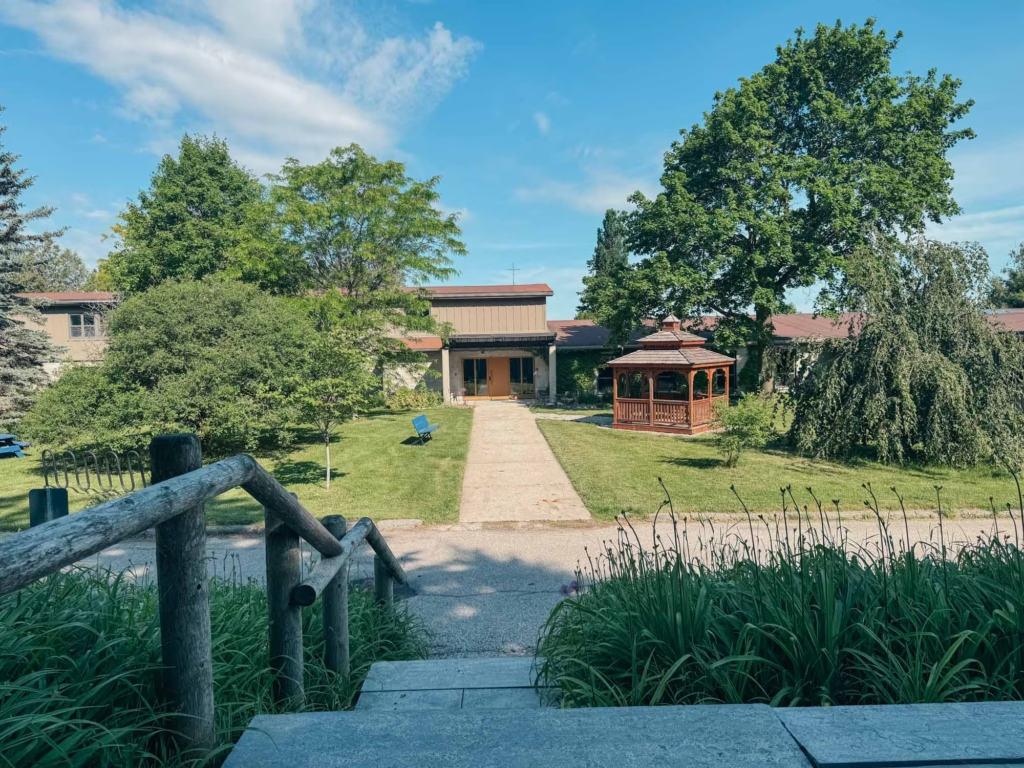
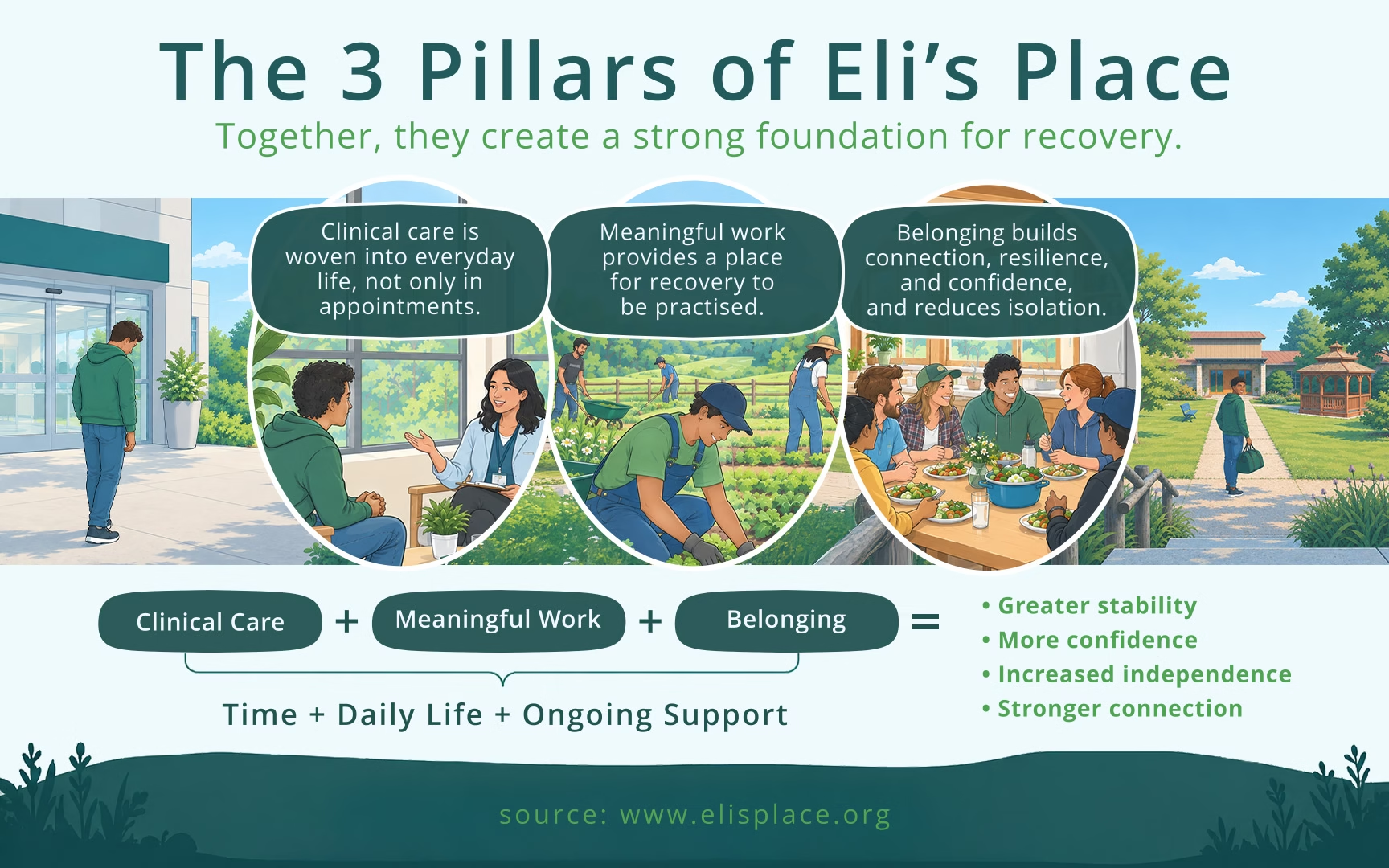
Residential treatment can help bridge this gap by creating an environment where support continues beyond immediate stabilization, and recovery is built through everyday life. Eli’s Place is the only long-term therapeutic community in Canada that integrates three pillars: clinical care, meaningful work and belonging.
Together, the three connected pillars reflect a deeper understanding of recovery: people need skilled treatment, but they also need purpose, community, and time. This integrated approach is designed to offer a solid foundation that fosters lasting recovery. Eli’s Place is poised to open in November 2026, bringing this long-awaited model to young adults and the people who care about them.

Belonging: Fostering Connection and Community
Serious mental illness makes a person’s world smaller. Friendships become harder to maintain, and family life begins to revolve around worry, safety, and the next urgent decision. Even when treatment is available, isolation remains one of the hardest parts of recovery.
Belonging matters because recovery is supported by connection. The power of social support is about more than being surrounded by people. Living alongside peers who are also working toward recovery creates opportunities for shared understanding. Guests may recognize parts of their own experiences in one another, find common ground, and discover that they are not the only person navigating the challenges of serious mental illness. This kind of connection makes it easier to build trust and relationships over time.
Community living is part of the Eli’s Place therapeutic environment. Guests will take part in the ordinary rhythm of life with others who are also working toward recovery, sharing meals, responsibilities, work, and time together. These experiences help rebuild connection and create a stronger foundation for life beyond treatment.
Meaningful Work: Building Purpose and Independence
Meaningful work gives recovery a place to be practised in everyday life. It creates structure in the day and gives people a reason to show up, even when motivation is low or confidence has been worn down. On a working farm, the tasks are practical and visible, which makes progress feel more real.
Farm life asks for consistency. Tending gardens, preparing meals, and contributing to the land all require attention, patience, and follow-through. The purpose is not productivity for its own sake. It is the experience of being needed and discovering that effort can still lead to something of meaning and value.
This is why purposeful work reinforces self-worth, routine, and interdependence. Independence is not built all at once, and it is not built by asking someone to manage everything alone. It’s achieved through support, small successes, setbacks, resolutions and the gradual return of confidence.
Clinical Care: Supporting Mental Health Recovery
Clinical care remains essential for people living with serious mental illness. Eli’s Place is not an alternative to professional treatment. It’s a setting where professional care is integrated into a more comprehensive recovery environment. A place where support extends throughout everyday life, not only through scheduled appointments.
Evidence-based clinical care helps ensure that support is grounded in research and delivered by qualified professionals. The Eli’s Place model includes psychotherapy, social work, occupational therapy and individualized recovery planning. These supports will help Guests work toward goals that are personal, practical, and connected to the life they are building.
What makes the model distinct is how clinical care is woven into the broader residential community. A recovery goal discussed in therapy can be practised through shared work, peer relationships, or the structure of the day. Care is not limited to a scheduled treatment appointment, it is supported by the environment around the person.
The Benefits of Long-Term Residential Treatment
Recovery is not simply symptom management. It’s the process of rebuilding a life that feels possible and worth living. This includes greater stability, stronger coping skills, more independence, and a deeper sense of connection, as well as quieter changes that are harder to measure.
A recovery-oriented approach recognizes that people are active participants in their own lives. This understanding of recovery looks beyond symptom reduction and asks what helps someone live with meaning, hope, and connection. It gives attention to a person’s strengths, capabilities and future, not only to the illness being treated.
Long-term residential treatment gives recovery time to take root. In a therapeutic community, some of the benefits come from the daily environment itself. The expectations, relationships, routines, and shared responsibilities become part of treatment, allowing recovery to be practised in real life rather than only discussed in theory.
What Makes It Work Is the Combination and the Time
Each pillar matters, but the strength of Eli’s Place is in the way they work together over time. Clinical care provides professional support. Meaningful work builds purpose and capability. Belonging helps reduce isolation and restore connection.
A person may need therapy while also needing a reason to get up in the morning. They may need support managing symptoms, while also needing people who notice when they withdraw. They may need to build skills for independence, while having a safe place to practise those skills before returning to greater responsibility.
The Eli’s Place therapeutic treatment model brings clinical care, meaningful work, and belonging into a long-term, farm-based community. Professional treatment is connected to shared work, daily routines, and relationships that develop over time. Support will also continue beyond residence, helping Guests carry what they’ve built into the next stage of their lives.
Eli’s Place aims to provide young adults with a community, real purpose, professional care, and the time and space to find their feet. These are not separate from treatment. They are part of what makes long-term recovery possible.
Recovery isn’t simply a clinical event. It’s a life we lead.

Eli’s Place Communications Team
Eli’s Place blogs are developed & written by the Eli’s Place Editorial Team — a collaboration between staff and volunteers committed to raising awareness about serious mental illness in Canada. We aim to inform, inspire, and engage with readers.
- Eli’s Place Communications Team
- Eli’s Place Communications Team

- Eli’s Place Communications Team

- Eli’s Place Communications Team